
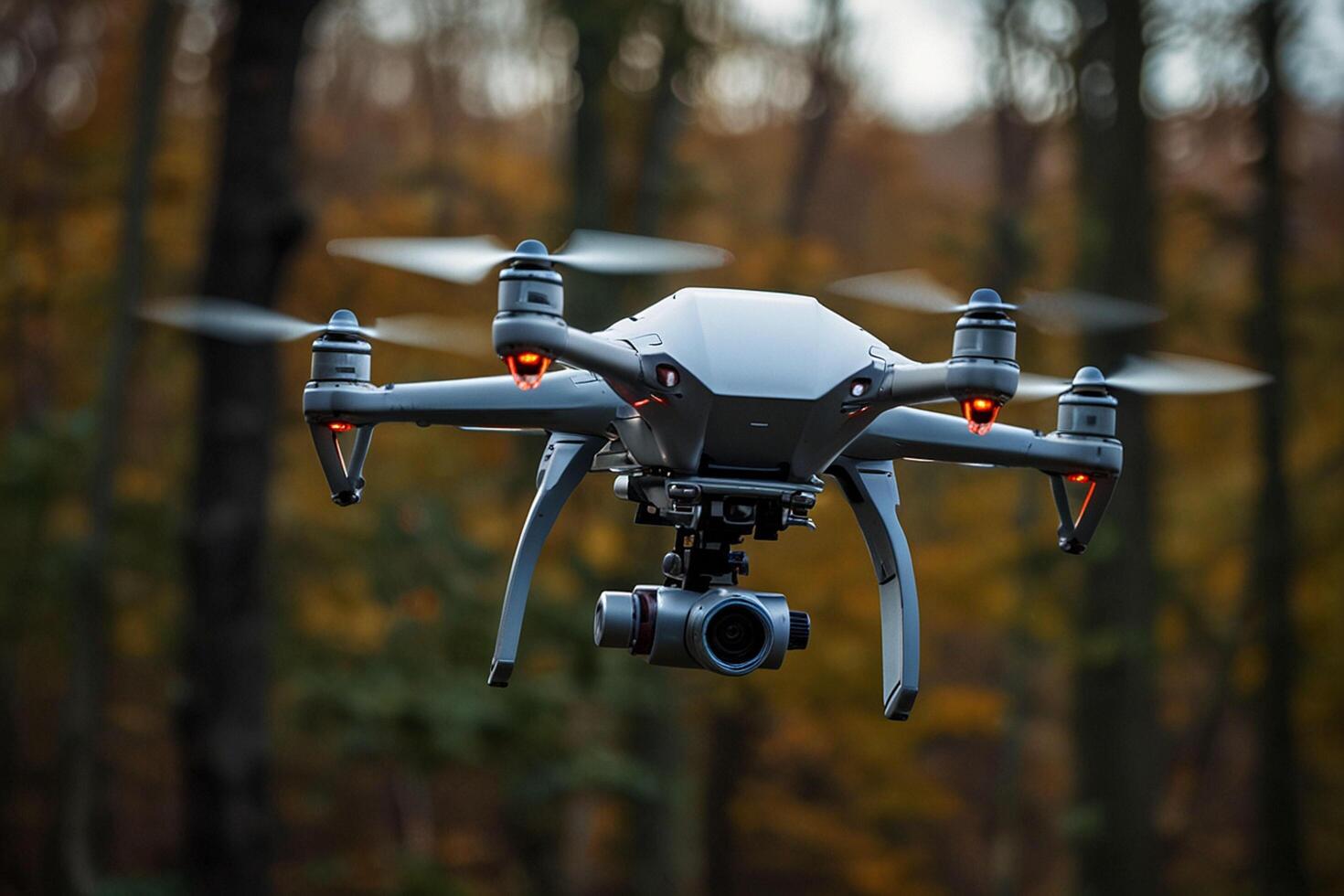
Introduction to Commercial Drones
In recent years, commercial drones have transformed various industries, offering innovative solutions that enhance productivity and efficiency. Among the leading names in this space is the Noa drone, which has gained popularity for its versatility and advanced features. These unmanned aerial vehicles (UAVs) have expanded their utility far beyond recreational use, becoming essential tools in sectors like agriculture, construction, logistics, and surveying.
Applications in Agriculture
Agriculture has seen significant advancements with the adoption of commercial drones. Farmers utilize these UAVs for tasks such as crop monitoring, land mapping, and pest detection. The high-resolution cameras and sensors equipped on drones, including the Noa drone, can capture vital data about crop health and soil conditions. This information allows farmers to make informed decisions, optimizing their use of resources like water and fertilizers.
- Precision farming
- Field mapping
- Crop spraying
By employing drones, farmers can increase yields while simultaneously reducing costs, making agriculture more sustainable and efficient.
Revolutionizing Construction
The construction industry has also embraced commercial drones, utilizing them for site surveys, project monitoring, and aerial photography. Drones facilitate real-time data collection, allowing project managers to assess progress and make necessary adjustments on the fly. Furthermore, drones can safely inspect hard-to-reach areas, reducing the need for scaffolding and ladders.
Drone commercial property inspection is another vital application in this sector. By providing detailed imagery and data, drones help identify potential issues long before they become significant problems, ensuring that construction projects run smoothly and within budget.
Transforming Logistics and Delivery
Logistics is yet another industry experiencing a shift due to the use of commercial drones. Companies are exploring drone technology for last-mile deliveries, which can significantly reduce transit times. Drones equipped with GPS and autonomous navigation systems can transport packages quickly and efficiently, especially in congested urban areas. This capability is particularly beneficial for businesses looking to enhance customer service and satisfaction.
- Faster delivery times
- Cost-efficient logistics
- Reduction in vehicle emissions
By leveraging drone technology, companies can improve their supply chain processes while minimizing their environmental impact.
Advancements in Surveying and Mapping
Surveying and mapping have been revolutionized by the introduction of commercial drones. High-definition aerial imagery allows land surveyors and mapping professionals to capture expansive areas quickly, providing a level of detail that traditional methods may struggle to match. This technology is essential for urban planning, environmental monitoring, and infrastructure development.
The ability of drones to gather precise topographic data enables project leads to create accurate models and analyses. As a result, they can plan projects more effectively and avoid costly mistakes during execution.
A Look Ahead: The Future of Drones Across Industries
The future of commercial drones appears bright as technology continues to evolve. Innovations in artificial intelligence, machine learning, and battery life are expected to drive advancements, opening new avenues for these UAVs across multiple sectors. The integration of drones into everyday business operations may not just be advantageous; it could be essential for maintaining competitive edges in various industries.
As regulations evolve and public acceptance grows, we can anticipate even more widespread adoption of drones, paving the way for greater efficiency, safety, and innovation.
Soaring to New Heights: The Endless Possibilities of Drones
The benefits that commercial drones provide across industries are undeniable. From revolutionizing agriculture and construction to enhancing logistics and surveying, these UAVs are altering the landscape of business operations. As technological advancements continue, industries will unlock even more potential, proving that the sky is truly the limit when it comes to the capabilities of commercial drones.